
Gilco global
.jpg)
From emerging business districts to rapidly densifying townships, India is rewriting its urban code. Vertical living is no longer aspirational—it’s unavoidable.
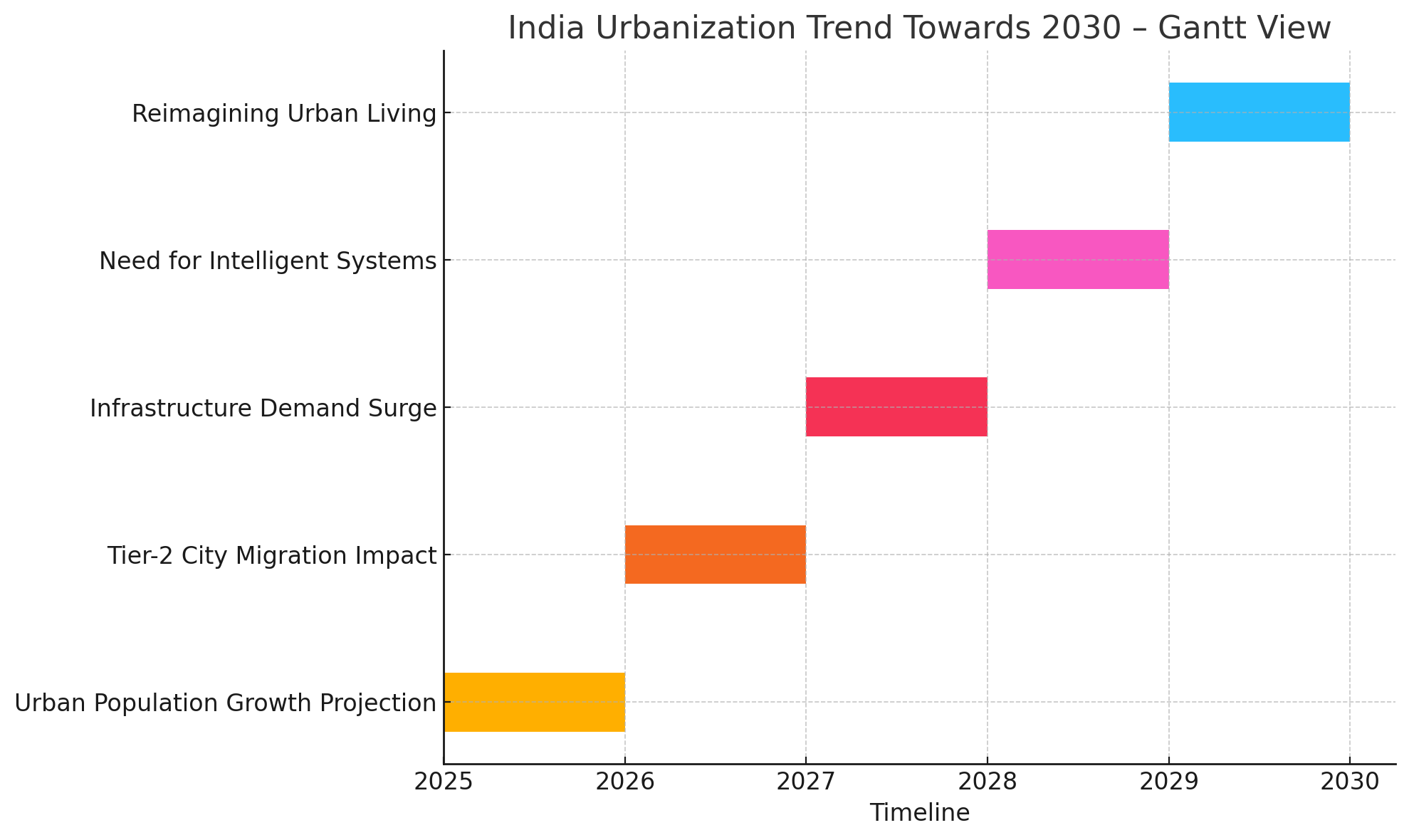
A McKinsey Global Institute report projects that by 2030, over 590 million Indians will reside in urban areas. Tier-2 cities alone will absorb nearly 40% of this migration, triggering an urgent need for infrastructure that is not just expansive, but intelligent, resilient, and scalable. And at the core of this infrastructure is a reimagining of how we live, move, and coexist in condensed spaces.
Mobility: The Unseen Hero of Vertical Cities
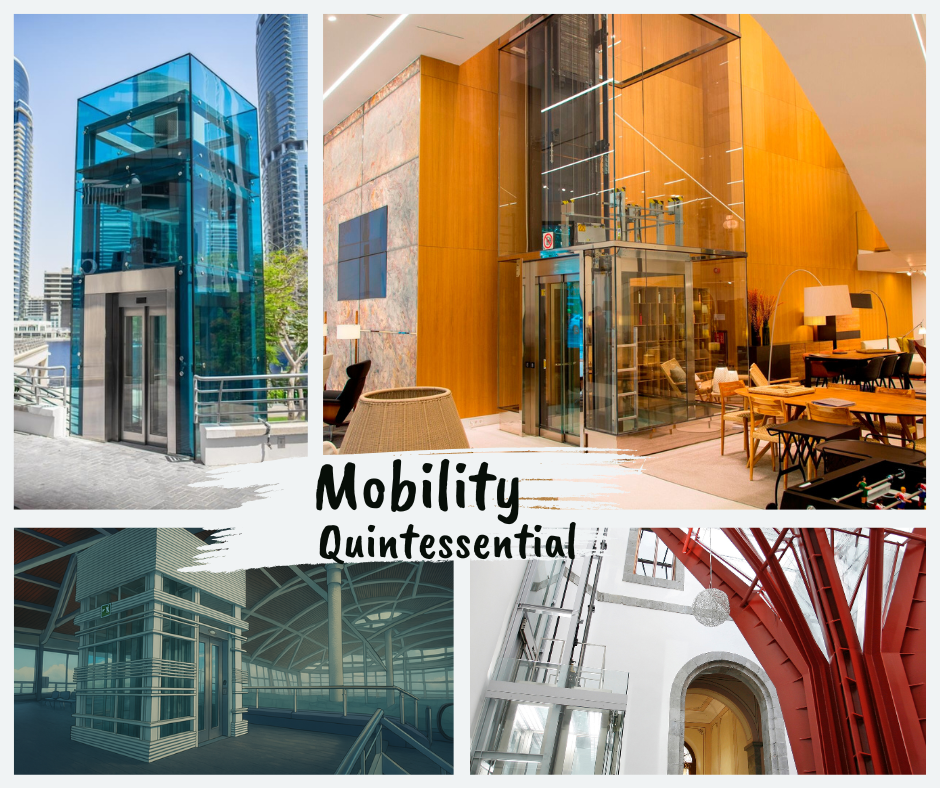
Seamless mobility is what makes verticality functional. Elevators, escalators, and automated parking aren't simply mechanical installations—they are the kinetic veins of every high-rise development.
Contemporary mobility technology now enables:
Regenerative braking systems that transform movement into reusable energy
Destination control algorithms that optimise trip planning and reduce congestion
IoT-enabled diagnostics that pre-empt service disruptions
Touchless panels and sanitisation systems that promote post-pandemic hygiene
These innovations support a new urban compact—where accessibility, safety, and efficiency are standard features, not elite add-ons.
The Role of Adaptive Mobility in Designing Tomorrow
In designing vertical cities, mobility is no longer incidental; it is foundational. Buildings are becoming dynamic ecosystems, and the systems moving people within them must be equally dynamic.
The globally-aligned technologies we implement—refined through decades of European innovation and now customised for India's evolving context—include:
Machine-room-less configurations for cleaner architectural lines
ISO 14006-compliant sustainability benchmarks
Modular adaptability for varied urban formats, from business districts to residential hubs
Integrated safety protocols like ARD and anti-vibration mechanisms
Through these, we empower architecture to be not just efficient, but intuitive and human-first.
Nature and Verticality: Not a Trade-Off
Projects across India continue to demonstrate that vertical ambition and ecological sensitivity can coexist. Vertical design can and should honour the natural landscape, not overpower it.
When planned with foresight, vertical spaces incorporate:
Double-height green balconies and sky bridges
Rainwater harvesting systems in rooftop layers
Smart, connected irrigation and native landscaping at height
Architecture thus evolves into a tool of restoration—an ally to ecology, not a threat. And as this thinking expands, so does the expectation from mobility infrastructure: sustainable materials, minimal footprint installations, and quiet, efficient operation that blends into the rhythm of nature.
How We Are Preparing for the Vertical Future
Across new commercial and mixed-use projects rising in the economic heartlands of India—from central business districts to peri-urban growth zones—we are seeing increased focus on inclusive vertical living. Queries around accessibility, particularly for elderly family members, are becoming central to design decisions. Vertical solutions must now serve not just residents but multigenerational households.
Today, luxury is no longer defined by excess, but by convenience: fast, reliable elevators that anticipate peak hours, touchless access for hygiene-conscious users, and smart features that adapt to users’ daily patterns. This redefinition is shaping how we innovate for comfort, dignity, and agility.
It’s time to stop treating elevators as afterthoughts and start recognising them as civic infrastructure—essential to urban life and deserving of design leadership.
Here’s how we are preparing—proactively investing in and engineering the full spectrum of vertical mobility solutions. Our product ecosystem includes elevators optimised for low to mid-rise applications, high-speed lifts for premium infrastructure, smart escalators for high-footfall areas, and compact dumbwaiters designed for seamless utility support in residential and commercial kitchens alike:
Embracing regulation-forward designs aligned with India's evolving safety codes and environmental goals
Engineering modularity to serve diverse building formats and urban densities
Deploying predictive analytics for maintenance to ensure reliability without disruption
Applying human-centric design to optimise flow, reduce anxiety, and elevate experience
These pillars are built upon our global partnerships—technologies refined across 100+ countries and now tailored for the pulse of Indian cities. From energy regeneration to modular retrofitting, we are translating global vision into local action.
This is not merely a product evolution. It is a fundamental shift in how we define, deploy, and design movement in cities.
Let’s Continue This Conversation
Vertical urbanisation is not just about going higher—it’s about thinking deeper. If you’re an architect, planner, builder, or changemaker, we invite you to join this dialogue.
🌐 Visit gilcoglobal.in to explore how next-gen mobility is reshaping India’s urban story.
Leave Reply